Introduction
I remember standing at the trailhead that morning, feeling the crisp mountain air against my skin, and wondering if my usual hiking gear would hold up through the changing conditions ahead. The forecast promised everything from sunshine to potential showers, and I needed clothing that could adapt as seamlessly as the landscape around me. It was during this contemplation that I first considered the importance of lec in outdoor apparel – how the right combination of materials and construction could make or break a day in the mountains.
Having spent years exploring various trails and facing unpredictable weather patterns, I’ve learned that comfort on the mountain isn’t just about avoiding discomfort in the moment. It’s about having gear that moves with you, breathes when you need it to, and protects without restricting. The relationship between fabric technology and actual trail experience became increasingly clear to me with each passing season, each new mountain range explored.
There’s something fundamentally different about apparel designed with specific zones of performance versus generic outdoor clothing. The distinction becomes apparent not during gentle strolls but when you’re scrambling over rocks, navigating steep inclines, or pushing through dense undergrowth. These are the moments when strategic fabric placement reveals its true value, something I would come to appreciate deeply in the months that followed.
Real-life Context
My hiking routine typically involves early morning starts, often before sunrise, when the mountain air holds a particular chill that gradually gives way to warmer temperatures as the day progresses. I frequent trails that combine forest paths with rocky outcrops and occasional stream crossings, creating a varied terrain that demands both flexibility and durability from my clothing. The constant changes in elevation and exposure mean that what works perfectly in one section might feel completely wrong in another.
During one particular season, I found myself consistently frustrated with pants that either restricted movement during steep climbs or felt too lightweight when brushing against rough granite surfaces. There were days when I’d return with minor abrasions on the fabric from repeated contact with rock faces, or feeling uncomfortably constrained during long descents. The search for something that could handle this diversity of conditions without compromising on comfort became something of a personal quest.
The transition between different trail sections often highlights clothing limitations in unexpected ways. Moving from shaded forest paths to exposed ridge lines, for instance, requires apparel that can handle both the cool dampness of wooded areas and the potential for stronger winds at higher elevations. Similarly, the variation between steady walking and more technical sections where stretching and reaching become necessary reveals much about how clothing is constructed and where reinforcements are placed.
Weather patterns in mountain regions add another layer of complexity to gear selection. Morning dew clinging to vegetation, sudden afternoon showers, or persistent mist at higher altitudes all present different moisture management challenges. Having experienced everything from soaked pants that never quite dried to water-resistant fabrics that felt stiff and uncomfortable, I began paying closer attention to how different treatments and constructions actually performed across these varied conditions.
Observation
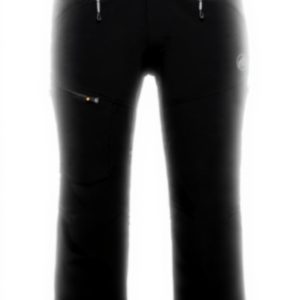
What struck me most during my initial outings was how the hybrid construction addressed specific movement patterns I hadn’t even consciously registered. The areas around the knees and seat, for instance, offered noticeably more flexibility during steep ascents and descents, while the reinforced sections along the inner legs stood up well to brush and occasional contact with rock surfaces. This zoning became particularly apparent during technical sections where I needed both freedom of movement and protection from abrasion.
The softshell material maintained its comfortable stretch throughout long days on the trail, never feeling restrictive even during extended periods of activity. Unlike some technical fabrics that can feel either too stiff or too thin, this balance between structure and flexibility meant I rarely needed to think about my pants while hiking – they simply moved with me, adapting to whatever the trail demanded. This seamless integration into the hiking experience represented a significant improvement over previous options I’d tried.
Water resistance became another notable aspect during unexpected weather changes. When caught in a sudden mountain shower, the PFC-free treatment caused water to bead up and roll off rather than soaking through, keeping me comfortable until the sun reemerged. More importantly, this protection didn’t come at the cost of breathability – I never experienced that clammy feeling that sometimes accompanies highly water-resistant fabrics during strenuous activity.
The concealed snap-button fly and belt loops, while seemingly minor details, contributed to an overall sense of thoughtful design. These elements worked seamlessly without requiring adjustment or attention throughout the day, supporting the pants’ performance rather than distracting from it. Such considerations often make the difference between gear that merely functions and gear that enhances the entire outdoor experience.
Reflection
I didn’t realize at the time how significantly the strategic fabric zoning would impact my approach to longer treks and more challenging routes. The confidence that comes from knowing your gear can handle varied conditions allows for a different kind of engagement with the landscape – less worry about clothing limitations, more focus on the experience itself. This shift in perspective became increasingly valuable as I tackled more demanding trails and multi-day excursions.
There’s something quietly revolutionary about apparel that performs so consistently across different scenarios that you eventually stop thinking about it altogether. The pants became simply part of the hiking experience rather than a piece of equipment requiring constant consideration. This seamless integration represents what I’ve come to value most in outdoor gear – items that support rather than interrupt the connection between person and environment.
The environmental aspect of the PFC-free treatment gradually took on greater significance as I learned more about sustainable outdoor practices. Knowing that performance didn’t require compromising on ecological considerations ligned with a broader shift in how I approach gear selection overall. The intersection of functionality and responsibility became increasingly important in my outdoor philosophy, influencing not just clothing choices but other aspects of preparation and planning.
Comfort in outdoor settings extends beyond physical sensation to include psychological ease – the knowledge that your gear won’t let you down when conditions change or challenges arise. This reliability transforms how you experience potentially stressful situations, whether navigating tricky terrain or dealing with unexpected weather. The confidence derived from dependable equipment subtly enhances every aspect of the outdoor experience.
Conclusion
Months later, looking back across various trails and conditions, what stands out isn’t any single feature but how everything worked together to create a consistently reliable experience. The strategic fabric zoning, comfortable stretch, and thoughtful water resistance all contributed to pants that simply worked – day after day, trail after trail, without drama or disappointment. This reliability became the foundation upon which more memorable mountain experiences were built.
The relationship between well-designed outdoor apparel and overall trail enjoyment is more significant than I initially understood. When clothing performs seamlessly across varied conditions, it removes a layer of potential distraction, allowing for deeper immersion in the natural environment. The mountains demand enough attention without adding concerns about comfort or protection to the list.
What began as a search for practical hiking pants evolved into a broader appreciation for how thoughtful design and material selection can enhance outdoor experiences. The subtle ways in which hybrid construction addresses real-world movement patterns, the balance between protection and flexibility, the integration of environmental considerations – these elements collectively create apparel that supports rather than interrupts the joy of exploration.
Every trail since has reinforced these observations, each outing adding another data point to an increasingly clear picture of what works in mountain environments. The learning continues with each season, each new range explored, but the foundation remains the same – reliable, thoughtfully designed gear that allows the focus to stay where it belongs: on the experience of moving through wild places.