Introduction
I never gave much thought to specialized outdoor pants until I moved to Jacksonville and experienced the unpredictable weather patterns that define this coastal city. The sudden downpours that appear out of nowhere, the way humidity clings to everything, and the occasional windy days that sweep in from the ocean all created a need for clothing that could adapt as quickly as the conditions change. It was during one particularly wet hiking trip that I realized my regular athletic wear simply wasn’t cutting it anymore.
Jacksonville weather has this unique character where sunshine can transform into heavy rain within minutes, leaving you soaked if you’re unprepared. I remember thinking how different this was from the more predictable climates I’d experienced elsewhere. The constant shifts between dry and wet, warm and cool, created a specific set of requirements for outdoor gear that I hadn’t fully appreciated until living here for several seasons.
What started as casual observation about local weather patterns gradually evolved into a deeper understanding of how proper outdoor clothing could transform my experience of the natural spaces around Jacksonville. The realization came slowly, through multiple instances of being caught unprepared and watching others who seemed better equipped handle the same conditions with ease.
Real-life Context
My regular hiking routes take me through various Jacksonville area trails, from the dense canopies of Hanna Park to the more exposed paths along the Intracoastal Waterway. Each location presents different weather challenges, but they all share that characteristic Jacksonville unpredictability. I’d been using standard athletic pants for these outings, assuming they provided adequate protection since they handled sweat and movement well enough.
The turning point came during a planned full-day hike through Timucuan Preserve. The forecast showed only a slight chance of rain, but within an hour of starting, dark clouds gathered with an intensity I hadn’t seen before. The rain began not as a gentle drizzle but as a proper downpour, the kind that soaks through fabric within minutes. My pants were drenched, clinging uncomfortably to my legs while the wind picked up, creating that chilling effect that makes outdoor activities miserable.
I noticed another hiker on the same trail who seemed completely unfazed by the conditions. His pants shed water like a duck’s feathers, and he moved with the same ease as he had before the rain started. That visual contrast between our experiences stuck with me throughout the remainder of my soggy, uncomfortable hike back to the trailhead. It wasn’t just about staying dry—it was about maintaining comfort and mobility when conditions turned against you.
Over the following weeks, I paid closer attention to how different materials and designs handled Jacksonville’s particular weather mix. The high humidity meant that even when rain stopped, moisture tended to linger in fabrics. The occasional strong winds coming off the water added another element that standard pants simply weren’t designed to address. These observations started shaping my understanding of what truly functional outdoor clothing needed to provide.
Observation
After that rainy hike experience, I began researching what made certain outdoor pants perform better in Jacksonville weather conditions. The key factors emerged clearly: waterproofing that actually worked beyond light drizzles, breathability that prevented internal moisture buildup during activity, and wind protection that didn’t sacrifice mobility. These weren’t just nice features—they were essential for comfortable outdoor experiences in this environment.
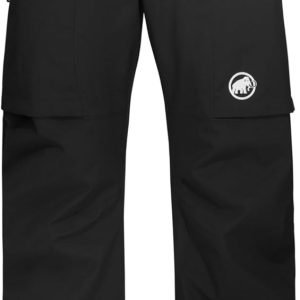
I learned about hardshell construction and how it differs from softshell or standard waterproof coatings. The Mammut Stoney Hardshell Pants specifically caught my attention because their description aligned with what I’d observed was missing from my current gear. The emphasis on both waterproof and windproof performance while maintaining breathability addressed exactly the combination of challenges I faced on local trails.
What stood out was how these pants were designed for demanding activities rather than casual wear. The reinforced areas in high-wear zones made sense given how brush and rough surfaces on Jacksonville trails can test clothing durability. The weight specification of 734 grams suggested substantial construction without being overly burdensome for long hikes. The available sizes ranging from 44 to 56 indicated they accommodated different body types, which mattered for proper fit during movement.
The black color option seemed practical for Jacksonville conditions where mud and trail debris are common. More importantly, the description highlighted how the pants maintained optimal mobility while providing protection, which addressed my concern about trading comfort for weather resistance. The specifications about dimensions and model number gave me confidence that these were purpose-built rather than generic outdoor pants.
I particularly appreciated how the usage scenarios mentioned performance in rain, snow, and windy environments, since Jacksonville experiences all these conditions throughout the year. The mention of suitability for daily wear in unpredictable climates resonated with how often weather shifts here require adaptable clothing choices. This wasn’t just specialty gear for extreme conditions but practical clothing for the variable reality of Jacksonville outdoors.
Reflection
I didn’t realize at the time that my initial dismissive attitude toward specialized outdoor pants was limiting my enjoyment of Jacksonville’s natural spaces. The constant adjustments for weather, the discomfort of wet clothing, the compromised mobility—these were all avoidable frustrations that I’d accepted as normal parts of outdoor activities. That moment on the Timucuan trail, watching another hiker move comfortably through the same rain that had me miserable, shifted my perspective fundamentally.
What struck me most was how weather-appropriate gear could transform not just comfort but the entire experience of being outdoors. When you’re not constantly thinking about being wet, cold, or restricted, you can focus more on the surroundings, the physical activity, and the simple pleasure of being outside. The psychological difference between enduring conditions and moving through them comfortably is substantial, and I hadn’t appreciated how much my gear choices were affecting this aspect.
The target audience description for these pants—active men who engage in outdoor sports and need reliable protection—made me reconsider my own approach to outdoor preparation. I’d been treating wather protection as an afterthought rather than an integral part of my gear selection. The emphasis on functionality and comfort in demanding situations reflected a mindset I needed to adopt for getting the most from Jacksonville’s outdoor opportunities.
Reflecting on the key benefits listed—superior waterproofing, excellent breathability, windproof design, durable construction, and comfortable fit—I recognized how each addressed specific frustrations I’d experienced. The breathability aspect particularly stood out because Jacksonville’s humidity means internal moisture can be as problematic as external rain. The combination of features suggested thoughtful design rather than just technical specifications.
This reflection period made me appreciate how proper outdoor clothing serves as an enabler rather than just protection. It’s not about having the most advanced gear but having gear that reliably handles the conditions you actually encounter. For Jacksonville weather, that means pants that can transition smoothly between sunny, rainy, and windy conditions without requiring constant adjustment or causing discomfort.
Conclusion
Living with Jacksonville weather has taught me that the right outdoor clothing isn’t a luxury but a practical necessity for consistently enjoying what this area has to offer. The variability that makes the climate interesting also demands gear that can adapt as quickly as conditions change. What started as frustration with being caught unprepared evolved into a deeper appreciation for how purpose-designed clothing can enhance outdoor experiences.
The Mammut Stoney Hardshell Pants represent the type of thoughtful design that addresses real-world conditions rather than idealized scenarios. Their combination of waterproofing, wind protection, breathability, and durable construction aligns with what Jacksonville outdoors actually requires. The focus on maintaining mobility while providing protection speaks to the reality that weather shouldn’t mean compromising on comfort or movement.
I’ve come to understand that investing in proper outdoor gear isn’t about having the most technical equipment but about having equipment that reliably performs when conditions turn challenging. For Jacksonville residents who enjoy hiking, trail running, or any outdoor activities, pants that handle the area’s characteristic weather patterns can make the difference between a memorable adventure and a miserable experience.
The lessons extend beyond just clothing choices to a broader approach to outdoor preparation. Paying attention to how gear performs in actual conditions, rather than just theoretical specifications, leads to better choices and more enjoyable experiences. Jacksonville’s weather, with all its unpredictability, has become less of an obstacle and more of an interesting variable in outdoor planning.
What remains clear is that the right equipment doesn’t change the weather, but it can fundamentally change how you experience it. For anyone regularly enjoying Jacksonville’s outdoor spaces, finding pants that handle the local conditions effectively means more time focused on the activity itself and less time managing discomfort. That shift in experience is what makes understanding and choosing appropriate outdoor clothing so valuable.
 Mammut Plush Toy S Black Soft Stuffed Animal Kids