Introduction
It was one of those winter evenings when the sky had turned that particular shade of deep blue that promises snow, and the air carried that sharp, clean cold that makes you grateful for modern comforts. I was sitting in my living room, planning the next day’s outdoor activities, when suddenly everything went dark. The familiar hum of appliances ceased, and the only light came from the faint glow of my smartphone screen. A Duke Energy power outage had struck our neighborhood, and as I reached for my Mammut Fleece Pro Gloves, I din’t realize at the time that this would be so important for navigating the unexpected hours ahead.
The sudden silence that follows a power outage always feels profound, as if the world has taken a deep breath and forgotten to exhale. In that moment, the temperature began its gradual descent, and the practical considerations of staying warm and connected became immediately apparent. My phone battery showed 68 percent, and I knew I needed to conserve power while still being able to communicate and access information. The gloves I had purchased for winter sports suddenly took on a different significance entirely.
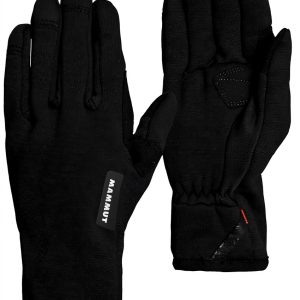
There’s something about emergency situations that reveals the true value of the items we keep nearby. What we consider recreational gear during normal times can become essential equipment when circumstances change unexpectedly. As I pulled on the black gloves, their Pontetorto Technostretch polyester material felt comfortably familiar, but their purpose was about to expand beyond what I had originally intended.
Real-life Context
Before the outage, my relationship with these gloves had been purely recreational. I had purchased them specifically for winter sports like skiing and the occasional cold-weather hike, attracted by their touchscreen compatibility and slip-resistant palms. They lived in my gear bag alongside other outdoor equipment, waiting for planned adventures rather than unexpected emergencies. The product description had mentioned their suitability for various conditions, but I had never considered how they might serve during a power outage situation.
The evening had started ordinarily enough. I had been researching hiking trails for the weekend, checking weather forecasts, and responding to messages about a potential ski trip with friends. The gloves had been on my desk because I’d been testing their touchscreen functionality earlier, curious about how well they would work with my smartphone during outdoor activities. When the lights flickered and died, my first instinct was to check my phone for updates, and then to check on neighbors.
As I moved through my darkening home, the practical challenges became immediately clear. The temperature was dropping rapidly, and handling my phone with bare hands in the cold would drain the battery faster while making my fingers stiff and uncomfortable. I remembered the gloves sitting nearby and slipped them on, initially just to keep my hands warm as I gathered flashlights and checked the circuit breaker.
The neighborhood outside had transformed in the absence of artificial light. Houses that normally glowed with warmth stood dark and silent, and the only illumination came from car headlights occasionally passing by and the moon beginning to rise. I could see my breath in the air, and the cold was becoming more insistent with each passing minute. My phone became my connection to the outside world – checking Duke Energy’s outage map, texting family to assure them I was safe, and monitoring the temperature drop.
Observation
What surprised me most was how naturally the gloves integrated into this unexpected scenario. Their touchscreen compatibility, which I had originally valued for convenience during outdoor sports, became essential for maintaining communication without exposing my hands to the cold. Each time I needed to check for outage updates or send a message, I could simply use my gloved fingers on the screen, preserving both battery life and comfort. The slip-resistant palm reinforcement, designed for gripping ski poles or climbing equipment, provided secure handling of flashlights and other items as I moved through the dark house.
The gloves’ lightweight design meant I could wear them for extended periods without that bulky, restrictive feeling that often comes with winter gear. This became particularly important as I moved between checking on things outside and returning indoors, where the temperature was still manageable but gradually cooling. The flexibility of the Pontetorto Technostretch material allowed for natural hand movements whether I was lighting candles, organizing emergency supplies, or simply trying to stay comfortable while waiting for updates.
As the evening progressed, I noticed how the gloves performed across different activities that I hadn’t anticipated when purchasing them. Handling cold metal doorknobs, carrying supplies from the garage, even basic tasks like opening jars or containers from the pantry – the gloves provided both protection and dexterity. Their unisex design and black color made them versatile and unobtrusive, blending into the situation rather than calling attention to themselves as specialized equipment.
What stood out was how the gloves maintained their functionality across changing conditions. When I stepped outside to assess the neighborhood situation, they provided adequate warmth against the biting wind. Back inside, they weren’t so warm as to be uncomfortable during more active periods when I was moving around and generating body heat. This balance between insulation and breathability proved more valuable than I would have expected in an indoor emergency scenario.
Reflection
In the quiet darkness, with only the glow of my phone screen and occasional candlelight, I had plenty of time to reflect on how we prepare for unexpected situations. We often think of emergency preparedness in terms of flashlights, batteries, and non-perishable food, but rarely consider how everyday items might serve dual purposes during crises. The Mammut Fleece Pro Gloves had been purchased for recreation, yet they were proving invaluable during this Duke Energy power outage in ways I hadn’t anticipated.
I thought about the product’s description mentioning suitability for ‘various conditions’ and realized how limited my interpretation of that phrase had been. I had imagined different weather conditions during planned outdoor activities, not unexpected indoor emergencies. The gloves’ versatility across seasons – mentioned as ideal for spring, summer, and winter – took on new meaning as I considered how preparedness isn’t just about extreme weather events but about adaptability to changing circumstances regardless of the season.
The experience made me reconsider what constitutes practical gear. We often categorize products by their intended use – these are hiking gloves, those are skiing gloves – without recognizing how their features might serve us in completely different contexts. The touchscreen compatibility I valued for checking messages on the ski lift became equally valuable for monitoring outage updates without exposing my hands to the cold. The slip-resistant palms designed for sports equipment worked just as well for handling emergency supplies in the dark.
There was also something to be said for the psychological comfort of having functional, reliable gear during an uncertain situation. The gloves represented a small piece of control and preparedness in circumstances where so much was beyond my influence. As the outage stretched into its third hour, that sense of having appropriate equipment for the conditions provided a quiet confidence that helped mitigate the frustration of the situation.
I found myself appreciating the thoughtful design elements that I might have taken for granted during normal use. The specific sizing that ensured a secure fit without constriction, the quality of materials that maintained their properties across temperature variations, even the simple black color that worked equally well for outdoor sports and indoor emergencies – these details contributed to an overall experience of reliability when it mattered most.
Conclusion
When the lights finally flickered back to life around midnight, the return of normalcy felt almost jarring after hours of adapted routines. I removed the gloves and placed them back on my desk, but with a new appreciation for their versatility beyond their intended purpose. The Duke Energy power outage had provided an unexpected test of equipment I had considered solely recreational, revealing dimensions of functionality I hadn’t previously considered.
The experience left me thinking about how we evaluate the items we bring into our lives. Sometimes the value of a product extends beyond its marketed purpose, revealing itself only when circumstances demand adaptation. The Mammut Fleece Pro Gloves had performed exactly as described during their intended use for outdoor activities, but their true versatility emerged during an entirely different scenario that nonetheless leveraged the same core features.
I realized that preparedness isn’t just about having specialized emergency equipment, but about understanding the multiple applications of the tools we already own. The same qualities that make gear effective for sports – reliability, functionality, comfort across conditions – often translate well to unexpected situations where those attributes become equally valuable. It’s a reminder that sometimes the most practical items in our lives are those designed well enough to serve beyond their primary purpose.
As life returned to normal and I resumed planning my weekend outdoor activities, my perspective on gear selection had subtly shifted. I found myself considering not just how equipment would perform during intended use, but how its features might serve in various unexpected scenarios. The gloves remained what they were always meant to be – reliable outdoor gear – but now carried the additional resonance of having proven their worth when normalcy temporarily disappeared.
In the end, the outage lasted just a few hours, but the insights about preparedness, adaptability, and the unexpected value of well-designed equipment lingered much longer. It was a reminder that sometimes the most valuable features of the items we choose are those that reveal themselves only when circumstances demand we see them differently.

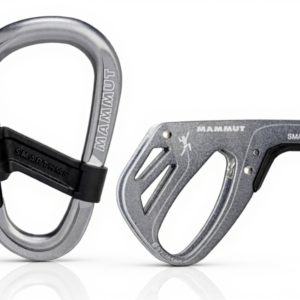 Mammut Smart 2.0 Belay Package Climbing Safety Gear Grey