Introduction
Living in Charleston while following Siena basketball has taught me more about weather patterns than I ever expected. The primary keyword, charleston sc weather | siena basketball, might seem like an odd combination at first glance, but for me, they’ve become intertwined in ways that revealed unexpected insights about preparation and comfort. Charleston’s coastal climate can be surprisingly unpredictable during basketball season, with temperatures swinging from mild to quite chilly, especially during evening games or early morning practices. Following Siena’s schedule meant I needed gear that could handle these variations while allowing me to stay active and engaged, whether I was watching games outdoors or heading to local courts for some casual play myself.
Real-life Context
My routine involves early morning runs along the Battery, where the harbor winds can make even moderately cool days feel much colder. During Siena basketball season, I often find myself checking weather forecasts more frequently, not just for game days but for my own outdoor activities. The combination of Charleston’s humidity and occasional cold snaps creates conditions where standard athletic wear falls short. I noticed that many of my usual running pants left me either too cold or overheating as I moved between shaded areas and sunny spots along my route. The need for something that could provide consistent warmth without sacrificing mobility became increasingly apparent as winter approached and both my running schedule and basketball viewing habits continued.
The transition between indoor and outdoor spaces became another consideration. Moving from my heated home to the brisk morning air, then potentially to a cooler indoor space for watching game, required clothing that could adapt without requiring multiple changes. I began paying closer attention to how different materials performed in these shifting conditions, noticing that some fabrics retained moisture while others provided inadequate insulation. This observation period coincided with Siena’s conference schedule, where games often occurred during the coldest months, making comfortable viewing experiences—whether at home or occasionally outdoors—dependent on having the right gear for the conditions.
Environmental factors specific to Charleston added another layer to my clothing considerations. The salt air, occasional rain showers, and that particular damp chill that seems to penetrate everything during winter months meant that whatever I chose needed to withstand more than just temperature variations. I found myself thinking about sustainability too, aware that activewear often gets frequent use and replacement, creating waste. These practical concerns shaped my search for something that could meet multiple needs without compromising on comfort or environmental responsibility.
Observation
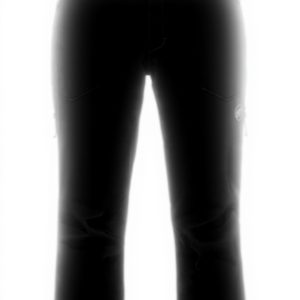
What struck me most during this period was how the right clothing could transform my experience of both exercise and leisure activities. The softshell material with its fleece lining provided a level of warmth I hadn’t realized was missing from my cold-weather routine. During morning runs when Charleston’s weather dipped unexpectedly low, the insulation made the difference between cutting my workout short and completing my intended distance comfortably. The material’s breathability prevented that overheated feeling I’d experienced with other winter pants, particularly important when my route took me from shaded streets to sunny waterfront paths.
The practical features revealed their value gradually through daily use. The zippered pockets became essential for carrying small items securely during runs, while the concealed fly with its combination of zipper and snap buttons offered convenience I appreciated more with each wear. I didn’t initially recognize how these seemingly small details would contribute so significantly to the overall experience. The durable water repellent treatment proved useful not just during light rain but also against morning dew and occasional splashes from puddles, maintaining comfort without the bulk of waterproof gear.
Watching Siena basketball games, whether at home or occasionally outdoors with friends, the pants’ versatility shone through. They provided enough warmth for cooler evenings without being restrictive during movement, whether I was sitting for extended periods or getting up frequently. The black color worked well for both athletic and casual contexts, transitioning seamlessly from my running route to social settings. I noticed how the recycled polyester content aligned with values I’d been trying to incorporate more consciously into my purchasing decisions, though this wasn’t something I’d prioritized initially.
The fit surprised me with its balance between freedom of movement and a tailored appearance. Unlike some athletic pants that feel either too loose or constricting, these maintained their shape and comfort through various activities. This became particularly noticeable during more dynamic movements like quick direction changes during casual basketball games with friends, where the pants moved with me rather than restricting my motion. The weight distribution felt even, without any sections that pulled or bunched uncomfortably during extended wear.
Reflection
I didn’t realize at the time that this exploration of cold-weather gear would connect so meaningfully to my broader routines and values. The intersection of Charleston’s variable weather patterns and my Siena basketball fandom created a context where functionality, comfort, and sustainability converged in ways I hadn’t anticipated. This experience made me more attentive to how the items I choose for active wear influence not just my physical comfort but my overall engagement with daily activities and longer-term environmental considerations.
There’s something revealing about how we prepare for conditions beyond our control, whether it’s unpredictable weather or the emotional swings of sports seasons. The right gear doesn’t just protect against external elements—it creates space for fuller participation in the moments that matter. I found myself thinking about how small improvements in daily comfort can accumulate into significant enhancements of quality of life, particularly during seasons when external conditions might otherwise limit our activities or enjoyment.
The sustainability aspect resonated more deeply over time than I expected. Knowing that the materials included recycled components added a layer of satisfaction to each use, aligning my practical needs with broader environmental values. This connection between personal comfort and responsible consumption became a quiet but persistent theme in my thinking about how we navigate our daily lives while considering larger impacts. It wasn’t about making a statement so much as recognizing that small, consistent choices can reflect our values in practical ways.
This period of observation and use also highlighted how we often underestimate the importance of appropriate gear until we experience the difference it makes. The combination of practical features, comfortable materials, and sustainable construction created a synergy that enhanced my activities in ways I might not have fully appreciated without the contrast provided by less suitable alternatives. This realization extended beyond the specific product to a broader appreciation for how thoughtful design can improve everyday experiences.
Conclusion
Navigating Charleston’s winter weather while staying engaged with Siena basketball season taught me valuable lessons about preparation, comfort, and the quiet ways our choices shape daily experiences. The right clothing can transform how we approach activities we care about, whether it’s maintaining an exercise routine through variable conditions or enjoying leisure moments without distraction from discomfort. These insights emerged gradually through practical use rather than immediate revelation, revealing their significance through consistent performance across different contexts.
The connection between functional gear and sustainable practices became another meaningful dimension of this experience. Finding solutions that address immediate needs while aligning with longer-term values creates a sense of coherence in how we navigate our daily lives. This alignment between practical requirements and personal principles enhances satisfaction in ways that transcend the specific product, influencing how we think about consumption and comfort more broadly.
What began as a practical response to weather conditions and basketball season evolved into a more nuanced understanding of how we prepare for the variables in our lives. The right solutions don’t just solve immediate problems—they create space for fuller engagement with the activities and moments that matter to us. This realization has stayed with me beyond the specific context of winter gear, influencing how I approach other aspects of daily life where preparation meets experience.
The interplay between Charleston’s distinctive climate and the rhythm of basketball season created a unique context for these discoveries. Each informed the other, revealing insights I might have missed in more consistent conditions or less engaging circumstances. This intersection of place, activity, and preparation continues to shape how I think about comfort, functionality, and the small choices that accumulate into meaningful differences in daily experience.