Introduction
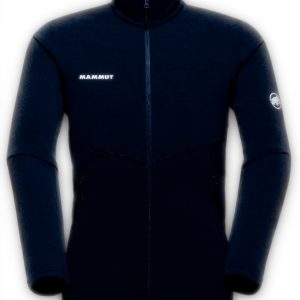
I never thought much about fleece jackets until recently. They always seemed like bulky, basic layers that added weight without much thought behind their design. But during a series of outdoor excursions where weather conditions shifted unexpectedly, I found myself reconsidering everything I knew about technical apparel. The Mammut Aconcagua Light ML Hooded Jacket entered my life during one of those transitional periods, both in terms of seasons and my understanding of what outdoor gear could accomplish. This particular piece stood out not because it promised revolutionary features, but because it delivered consistent performance in situations where I needed reliability above all else.
What struck me initially was how unassuming the jacket appeared. In a market saturated with gear that screams for attention through bright colors and aggressive styling, this piece maintained a quiet confidence. The glacier blue color I chose had a subtlety that blended well with natural environments rather than fighting against them. As someone who spends considerable time outdoors for both training and personal exploration, I’ve learned that the most effective gear often doesn’t need to announce itself loudly. It simply needs to perform when called upon, adapting to the demands of the moment without drawing unnecessary attention to itself.
There’s something to be said for equipment that understands its role within a larger system. This jacket never pretended to be a standalone solution for extreme conditions, nor did it overpromise on capabilities beyond its design parameters. Instead, it occupied that crucial middle ground – the space between base layers and outer shells where comfort and functionality intersect. I didn’t realize at the time how important this balanced approach would become during longer outings where minor irritations can accumulate into significant distractions.
Real-life Context
The first proper test came during an early morning hike along a familiar trail that typically doesn’t present much challenge. The forecast suggested mild conditions, but mountain weather has its own ideas about predictability. About forty minutes into the ascent, a cool breeze picked up, carrying with it the damp chill that often precedes a weather shift. I had layered appropriately, or so I thought, but the wind found its way through gaps in my clothing system, creating those small pockets of discomfort that gradually wear on concentration and enjoyment.
What made this situation particularly relevant was the jacket’s performance during variable activity levels. The trail included sections of steep climbing followed by relatively flat stretches where my heart rate would naturally decrease. This cycling between high exertion and recovery periods creates the perfect conditions for testing how well a layer manages moisture and temperature. Many fleece garments either trap heat during intense activity or fail to provide adequate warmth during rest periods, creating an uncomfortable pendulum swing between overheating and chilling.
Another context where the jacket proved its worth was during urban explorations. The transition from outdoor activities to city environments often requires clothing that functions across different settings without appearing overly technical. The slim fit and clean lines made it suitable for stopping at a café after a hike without feeling conspicuously geared up. This versatility matters more than I initially appreciated, as it allows for spontaneous transitions between activities without requiring complete outfit changes. The marine color option particularly worked well in these mixed settings, maintaining its technical appearance while blending into urban environments.
During rock climbing sessions, the jacket’s design considerations became increasingly apparent. The high collar provided unexpected protection against abrasive rock surfaces when looking upward during ascents, while the slim fit prevented bunching under harnesses. These might seem like minor details, but they contribute significantly to overall comfort during extended climbing sessions. The recycled polyester construction also held up well against rough granite surfaces, showing minimal signs of wear despite repeated contact with rock.
Observation
What I noticed most consistently was how the Polartec Power Grid Fleece managed to provide warmth without the bulk I associated with traditional fleece materials. During a longer hiking day that spanned from cool morning temperatures to surprisingly warm afternoon conditions, the jacket maintained a consistent comfort level that adapted to my activity level rather than fighting against it. The breathability became particularly noticeable during strenuous sections where I expected to overhear, but instead found the fabric managing moisture effectively without becoming saturated.
The quick-drying properties revealed themselves during an unexpected light rain shower that caught me about two hours into a backcountry trek. Rather than becoming heavy and cold like some fleece materials tend to do when wet, the jacket shed moisture relatively quickly once the rain stopped and we continued moving. This prevented that uncomfortable damp feeling that can make the remainder of a hike miserable, especially when temperatures begin dropping toward evening. The fabric’s ability to regulate temperature across changing conditions became one of its most valuable attributes.
I observed that the hood design worked particularly well under climbing helmets, providing additional warmth without compromising fit or safety. The slim cut through the body and sleeves allowed for full range of motion during technical climbing moves while preventing excess material from interfering with harness attachments. These design elements suggest that Mammut understands how people actually use their gear in dynamic situations rather than just designing for aesthetic appeal. The attention to these functional details made the jacket feel like it was created by people who genuinely participate in the activities they design for.
Another observation worth noting was how the jacket performed during rest breaks. Many technical layers work well during activity but fail to maintain warmth when stationary. The Polartec material continued providing insulation even during extended lunch breaks on cold rock surfaces, preventing that sharp temperature drop that often accompanies decreased activity levels. This consistent performance across activity states made it reliable throughout full days outdoors rather than just during movement periods.
Reflection
Using this jacket across different scenarios made me reconsider what I value in outdoor apparel. I’ve traditionally prioritized extreme weather performance or ultralight specifications, often at the expense of versatility and everyday usability. The Aconcagua Light ML prompted a shift in perspective toward gear that performs reliably across a spectrum of conditions rather than excelling in narrow circumstances. This approach feels more aligned with how most people actually experience the outdoors – through a mixture of planned activities and spontaneous adventures where conditions rarely match perfect forecasts.
The sustainability aspect, while not my initial focus, gradually became more meaningful through repeated use. Knowing the jacket utilized recycled materials didn’t change its performance characteristics, but it did contribute to a growing appreciation for products designed with broader considerations beyond immediate functionality. In an industry often criticized for environmental impact, these small choices accumulate significance over time. The durability of the recycled polyester construction also challenged my assumptions about sustainable materials potentially compromising longevity.
I found myself reflecting on how technical apparel has evolved toward specialization at the expense of adaptability. The trend toward hyper-specific gear for particular activities often creates closetfuls of equipment that see limited use. The Aconcagua’s ability to function effectively across hiking, climbing, and casual use scenarios represents a different approach – one that prioritizes intelligent design over narrow specialization. This philosophy seems particularly relevant for those of us who engage in multiple outdoor activities without wanting to maintain extensive gear collections for each pursuit.
There’s also something to be said for equipment that doesn’t demand constant attention or careful handling. The jacket’s straightforward design and reliable performance meant I could focus on my surroundings and activities rather than constantly adjusting layers or managing discomfort. This quality becomes increasingly valuable as outdor experiences become less about gear and more about connection with natural environments. The best technical apparel, I’ve come to believe, should enhance experiences without dominating them.
Conclusion
My experience with the Mammut Aconcagua Light ML Hooded Jacket ultimately changed how I approach mid-layer selection for outdoor activities. The combination of effective warmth management, thoughtful design details, and versatile performance across different scenarios made it a reliable choice when conditions were uncertain or variable. While no single piece of gear can be perfect for every situation, this jacket found its niche in those common outdoor moments where predictability gives way to adaptation.
The lessons extended beyond technical specifications into how we choose equipment that aligns with our actual usage patterns rather than idealized scenarios. The jacket’s performance during mixed activity levels, its adaptability across environments, and its consistent comfort during extended use all contributed to a deeper appreciation for well-considered design. These qualities often become apparent only through repeated use in real-world conditions rather than through specification sheets or marketing materials.
What remains most memorable isn’t any single feature or technical achievement, but rather the jacket’s ability to function effectively without demanding constant attention or adjustment. This quality – the quiet reliability that allows focus to remain on the experience rather than the equipment – represents what I’ve come to value most in outdoor gear. The Aconcagua Light ML demonstrated how thoughtful design and material selection can create products that serve their purpose effectively while remaining adaptable to the unpredictable nature of outdoor adventures.
As outdoor enthusiasts, we often seek equipment that enhances our experiences without complicating them. The balance between technical performance and practical usability represents an ongoing challenge for both designers and users. Through my time with this jacket, I’ve gained appreciation for products that navigate this balance successfully, providing reliable performance across the spectrum of conditions most of us actually encounter rather than focusing exclusively on extreme scenarios. This approach feels both practical and thoughtful, aligning with how people genuinely experience and appreciate the outdoors.
 Noisy may Damen Jeans Loose Fit Baumwolle blau W28L34