Introduction
It was during one of those lazy Saturday afternoons, flipping between the PSV – Feyenoord match and old SNL cast reruns, that I first properly noticed the fleece jacket hanging by my door. I’d owned it for weeks but hadn’t really given it muc thought beyond being another piece of outdoor gear. The television provided background noise—the intensity of the football match contrasting with the comedic timing of the SNL sketches—while I contemplated my hiking plans for the coming week. Little did I know that this ordinary moment would lead me to appreciate the subtle engineering behind what seemed like just another midlayer.
The jacket had been a somewhat impulsive purchase, something I picked up during a sale without much research. It sat in my closet through several outings, always passed over for more technical-looking gear. But that afternoon, as I watched athletes push their limits on screen and comedians perfect their timing, I started thinking about performance in different contexts—how the right tools, whether cleats for a striker or the right timing for a joke, make all the difference. I decided then that I’d give this fleece a proper chance on my next hike.
There’s something about transitional seasons that makes you reconsider your gear. The weather can’t decide if it wants to be warm or cool, and you find yourself constantly adding or removing layers. My usual approach had been to stick with what I knew worked, but the monotony of wearing the same technical layers hike after hike was starting to wear thin. This fleece represented something different—a piece that promised both function and a more casual aesthetic.
Real-life Context
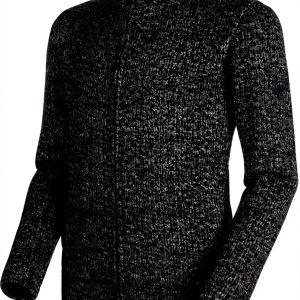
The following Thursday found me on a familiar trail just outside the city, the Mammut Chamuera ML Jacket packed in my bag as my planned midlayer for when the temperature dropped later in the day. I’d chosen a route that offered varied terrain—some steep climbs through forested areas, followed by exposed ridge lines where the wind typically picked up in the afternoon. My hiking partner had opted for his usual grid-fleece, and we made casual bets about which would perform better when conditions changed.
For the first hour, the jacket remained in my pack as we moved through sun-dappled woods. The morning was warmer than forecasted, and I began to wonder if I’d even need the extra layer. But as we gained elevation, the character of the day began to shift. A bank of clouds moved in, and the temperature dropped noticeably when we reached the first exposed section of trail. I shrugged the jacket on over my base layer, noticing immediately how the soft, brushed interior felt against my skin—a welcome contrast to the chill now biting at my ears.
What struck me first wasn’t the warmth, though that was certainly appreciated, but how the jacket moved with me as we navigated a tricky section of scree. The fit allowed full range of motion without bunching or restricting, something I’d come to value during climbs that required scrambling. The printed knit exterior, which I’d initially dismissed as merely stylistic, provided just enough texture to keep my daypack from sliding around during more dynamic movements.
We stopped for water at a viewpoint overlooking the valley, and I found myself appreciating the side pockets with their partially concealed zippers. They swallowed my phone, keys, and a small snack bar without bulging awkwardly or interfering with my pack’s hip belt. It was one of those small design details that you don’t think about until you experience it working seamlessly in practice.
Observation
As we continued along the ridge, the wind picked up significantly, and I began to notice how the jacket managed moisture and temperature in a way that felt different from other fleeces I’d worn. During steep sections, when my effort level increased, the material breathed well enough that I never felt clammy or overheated. Yet when we paused to take photos or simply admire the view, the brushed interior trapped just enough warmth to keep the chill at bay without requiring me to add another layer.
I observed how the jacket performed across different activity levels—from the high exertion of climbing to the relative stillness of breaks. The versatility became apparent not as a marketing claim but as something I was experiencing in real time. My hiking partner, who was now feeling the cold more acutely, commented on how my setup seemed to be handling the variable conditions better than his more technical-looking layer.
The printed outer layer, which I’d initially thought might be purely aesthetic, proved its worth when we brushed against some rough rock surfaces. It showed no signs of snagging or abrasion, maintaining its appearance despite the occasional contact with stone and vegetation. This durability aspect became more valuable as the hike progressed and the terrain grew more challenging.
What stood out most was how the jacket functioned as part of a system rather than just a standalone piece. When the weather turned unexpectedly wet later in the afternoon, I layered my shell over it without any bulk issues or restricted movement. The lightweight construction meant the combination didn’t feel cumbersome, and the fleece continued to provide insulation even when damp from condensation inside the shell.
Reflection
Sitting in my car after the hike, tired but satisfied, I found myself thinking about how we judge outdoor gear. I’d initially underestimated this jacket because it didn’t look as technical as some of my other layers, yet it had performed flawlessly across a range of conditions. I didn’t realize at the time that this would be so important—that sometimes the most effective tools are those that don’t announce their capabilities loudly but simply deliver when needed.
The experience made me reconsider what I value in outdoor clothing. For years, I’d prioritized specs and features that sounded impressive on paper, often overlooking simpler designs that might actually serve me better in practice. The Chamuera ML Jacket reminded me that comfort—both physical and aesthetic—matters more than I’d acknowledged. Being able to transition from trail to town without looking like I’d just come from a mountaineering expedition had its own value.
I thought back to that Saturday watching PSV – Feyenoord and SNL cast reruns, and how the juxtaposition of high-performance sport and crafted comedy had subconsciously influenced my approach to this hike. Both domains require the right tools and timing, whether it’s a striker choosing the perfect moment to shoot or a comedian delivering a punchline. The jacket, in its own way, had demonstrated similar thoughtful design—not through flashy features but through how its elements worked together when it mattered.
This reflection extended beyond just this piece of gear to how I approach outdoor activities more broadly. The pursuit of lighter, more technical equipment sometimes comes at the cost of simplicity and enjoyment. The soft knit fleece with its brushed interior represented a return to fundamentals—warmth, comfort, and freedom of movement—without unnecessary complexity.
There’s wisdom in designs that prioritize experience over specifications. The secure side pockets, for instance, didn’t seem remarkable until I needed to access my phone quickly during a brief rain shower and found the contents perfectly dry and protected. The versatile fit accommodated layers beneath without constriction, something I appreciated as the day’s temperature fluctuated. These weren’t groundbreaking innovations, but their thoughtful execution made the difference between a good day on the trail and a great one.
Conclusion
That hike changed how I view my outdoor gear selection process. The Mammut Chamuera ML Jacket has become my default midlayer for everything from morning trail runs to weekend camping trips. Its understated performance aligns with how I want to experience the outdoors—focused on the activity itself rather than the equipment I’m using.
The jacket continues to surprise me with its versatility. I’ve worn it during cool urban evenings after work, on brisk cycling trips along river paths, and as my go-to layer for autumn hiking when conditions can shift from sunny to stormy within hours. Each use reinforces that initial discovery on the trail—that sometimes the most reliable gear isn’t the most technically complex but the most thoughtfully designed.
There’s a lesson here about expectations versus reality in outdoor equipment. We often gravitate toward what looks most technical or carries the most impressive specifications, overlooking pieces that might actually serve us better through simplicity and thoughtful design. The brushed interior that provides comfort during long wear, the printed outer layer that maintains its appearance through rough use, the secure pockets that protect essentials—these elements work together to create something greater than the sum of its parts.
As the seasons change and I prepare for colder weather, this fleece will likely remain in heavy rotation. It serves as a reminder that the best gear often reveals its qualities gradually, through repeated use in varied conditions rather than through immediate wow factors. The memory of that first proper test—and the PSV – Feyenoord match and SNL cast reruns that preceded it—still brings a smile, representing the unexpected connections between everyday moments and outdoor discoveries.
Perhaps what I appreciate most is how the jacket has maintained its performance and appearance through months of regular use. The soft knit exterior shows minimal signs of wear despite frequent packing and unpacking from my gear closet, and the brushed interior remains as comfortable as the first day I wore it. This durability speaks to quality construction that goes beyond initial impressions, something that becomes apparent only with time and use.
In a world where outdoor gear often promises revolutionary features, there’s value in pieces that simply do their job well without fanfare. The Chamuera ML Jacket represents this approach—a midlayer that provides reliable warmth, comfortable mobility, and practical features without demanding attention. It has earned its place in my regular rotation not through marketing claims but through consistent performance when it matters most.