Introduction
There’s something about being halfway up a mountain trail that makes you appreciate the simple comforts of life. I found myself thinking about this recently during a particularly challenging hike, my mind wandering between the rocky path ahead and what I’d be watching later that evening. The thought of settling in with some Netflix top movies right now, maybe even catching that Tracy McGrady documentary I’d been meaning to watch, kept me motivated through the steep sections. It was during these moments that I began to understand how the right gear could make the difference between struggling through an activity and actually enjoying the experience.
I’ve always been someone who balances intense outdoor pursuits with quiet recovery time, and the transition between these states requires thoughtful preparation. The equipment I choose needs to perform reliably when I’m pushing my limits outside while also being comfortable enough for those rest periods when I’m recharging both body and mind. This balance became particularly clear to me during a recent multi-day hiking trip where weather conditions shifted unexpectedly, and my comfort depended entirely on the layers I’d chosen to bring along.
Having reliable outdoor apparel means you can focus on the experience itself rather than constantly adjusting or worrying about your gear. When you’re miles from civilization, the last thing you want is to be distracted by discomfort or inadequate protection from the elements. These moments in nature should be about connection and challenge, not about regretting your equipment choices. I didn’t realize at the time how crucial this balance would become until I found myself in situations where my comfort directly impacted my ability to enjoy both the outdoor adventure and the subsequent recovery time.
Real-life Context
The specific trip that brought these thoughts into focus was a three-day hiking expedition through variable mountain terrain. Mornings started crisp and cool, often with temperatures that made you grateful for every layer of warmth. By midday, the sun would beat down intensely, and the physical exertion of climbing would generate substantial body heat. Then evenings would bring back the chill, especially when stopping for breaks or setting up camp. These temperature fluctuations presented the perfect testing ground for any piece of outdoor clothing claiming to regulate body temperature effectively.
I remember one particular afternoon when we’d reached a high ridge after several hours of steady climbing. The wind had picked up considerably, and despite the physical effort, I could feel the cold starting to seep through my layers. We decided to take a short break to hydrate and enjoy the panoramic views, but the dropping temperatures threatened to cut our rest short. It was in moments like these that I truly appreciated having gear that could adapt quickly to changing conditions without requiring complete outfit changes or complicated adjustments.
Another context that highlighted the importance of proper outdoor apparel was during early morning starts when the air still held the night’s chill. Getting moving while still half-asleep is challenging enough without adding shivering to the equation. The right fleece jacket made those initial kilometers much more bearable, allowing my body to warm up gradually rather than shocking it with cold air. Similarly, during evening campsite routines, having something comfortable to change into made the transition from active hiking to relaxed camping much smoother and more enjoyable.
These real-life situations demonstrated how technical outdoor apparel needs to perform across multiple scenarios – during high-exertion activities, during rest breaks in variable conditions, and during the quieter moments of preparation and recovery. The jacket I was using needed to be versatile enough to handle all these contexts without compromising on comfort or functionality. It wasn’t just about staying warm during the hike itself, but about maintaining comfort throughout the entire outdoor experience from dawn until well after dusk.
Observation
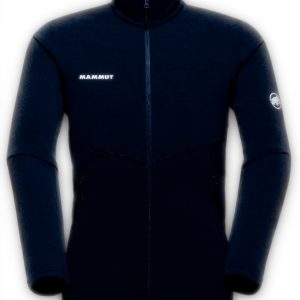
What struck me most during these outdoor experiences was how the Mammut Aconcagua Light ML Hooded Jacket managed temperature so effectively without ever feeling bulky or restrictive. The Polartec Power Grid Fleece provided noticeable warmth during chilly morning starts and windy ridge breaks, yet it never caused overheating during strenuous climbing sections. This balance between insulation and breathability became particularly apparent during transitions between shaded forest pats and sun-exposed rock faces where temperature differences could be quite dramatic.
I observed how the slim fit design worked perfectly for layering purposes. Under a shell jacket during unexpected rain showers, it added necessary warmth without creating bulk that would restrict movement. During less demanding sections of the trail, wearing it alone provided just the right amount of insulation while allowing full freedom of motion for scrambling over rocks or navigating technical terrain. The high collar design proved invaluable during particularly windy moments, providing extra protection that standard collars often miss.
The quick-drying properties became evident after a sudden afternoon shower caught us without rain gear readily accessible. While the outer layers got thoroughly damp, the fleece underneath managed moisture effectively, and within minutes of the rain stopping, it already felt much drier against my skin. This quick recovery meant comfort returned rapidly rather than lingering dampness causing discomfort for hours afterward. The breathable construction similarly handled perspiration during intense uphill sections, preventing that clammy feeling that can make continued exertion unpleasant.
I also noticed how the recycled polyester construction held up through various challenges – brushing against rough rock surfaces, being packed tightly in a backpack during warmer periods, and general trail wear. Despite these demands, the material maintained its integrity and performance characteristics throughout the trip. The sustainability aspect, while not immediately visible in performance terms, aligned with the overall outdoor ethic of minimizing environmental impact while enjoying natural spaces.
Reflection
Reflecting on these observations days later, while actually watching those Netflix top movies right now and the Tracy McGrady documentary I’d been anticipating, I realized how much the right gear enhances both the active and recovery phases of outdoor adventures. The comfort provided by reliable apparel means you can fully immerse yourself in the experience without constant adjustments or discomfort distractions. This immersion allows for deeper connection with both the natural environment and your own physical capabilities.
I began to understand that technical outdoor clothing isn’t about gimmicks or unnecessary features – it’s about solving real problems that active people face in variable conditions. The warmth-to-weight ratio of the Polartec material meant I could carry effective insulation without sacrificing precious pack space or adding burdensome weight. The temperature regulation capabilities meant I could maintain optimal comfort across changing conditions rather than constantly stopping to add or remove layers.
The sustainability aspect prompted broader reflection about our relationship with outdoor gear and the environments we use it in. Choosing products made from recycled materials represents a small but meaningful step toward reducing our impact on the natural spaces we enjoy. This alignment between product philosophy and user values creates a more thoughtful approach to outdoor recreation, where equipment choices reflect broader environmental consciousness rather than just performance considerations.
I also reflected on how these experiences translated to everyday use beyond dedicated outdoor adventures. The same principles of comfort, temperature regulation, and sustainable design apply to urban environments and casual outdoor activities. The versatility of technical apparel means it serves multiple purposes across different contexts, from mountain trails to city parks to simply running errands on cooler days. This multi-context functionality represents better value and reduces the need for specialized clothing for every possible scenario.
Conclusion
These experiences have reshaped how I think about outdoor apparel and its role in both active adventures and recovery time. The right gear should enhance rather than complicate the experience, providing reliable performance that allows you to focus on the activity itself rather than your equipment. Whether pushing through challenging terrain or relaxing afterward with Netflix top movies right now and learning about athletes like Tracy McGrady, comfort and functionality remain paramount across all phases of the experience.
The observations during variable mountain conditions demonstrated how technical features like Polartec Power Grid Fleece translate into real-world benefits across temperature fluctuations and activity levels. The quick-drying and breathable properties handled moisture effectively during both exertion and unexpected weather changes, while the slim fit design worked seamlessly for layering purposes without restricting movement. These practical benefits supported both the physical demands of outdoor activities and the comfort needs during rest periods.
Beyond immediate performance, the sustainable aspects of recycled materials align with the broader values many outdoor enthusiasts share regarding environmental stewardship. This connection between product philosophy and user values creates more meaningful equipment choices that consider both personal needs and broader impacts. The versatility across outdoor and casual contexts further enhances the value proposition, serving multiple purposes rather than being limited to specific activities.
Ultimately, the right outdoor apparel becomes an extension of the experience itself – supporting challenges, enhancing comfort, and aligning with values. The lessons learned from mountain trails apply equally to everyday life, where reliable performance and thoughtful design contribute to better experiences across various contexts. These insights will continue to inform future equipment choices and outdoor adventures, blending active pursuits with comfortable recovery in a balanced approach to enjoying both nature and downtime.